Fifty Years of Gender & Women’s Studies at UW–Madison: An Oral History
“I’m thrilled that what emerged at a time of struggle and conflict, anger and disappointment, and frustration, has now, built into this really remarkable department that’s still also willing and sees our work at the heart of building a more just society.”
- Prof Judith A Houck, Wittig Professor and Vilas Distinguished Achievement Professor of Gender & Women’s Studies and History, former chair of GWS
In the early 1960s, then-UW President Paul Chadbourne warned that educating women on campus risked bringing “an incalculable mischief” into the institution. Six decades later, that “mischief” has a name, a home and a PhD program. This project, with 24 oral history interviews with emeriti faculty, current faculty, lecturers, staff, and graduate students, conducted in the summer of 2025, is an attempt to capture the department’s churn and its celebrations alike: the excitement, promise, tension, criticism, and uncertainty of fifty years spent building a discipline that has always had to argue for its own legitimacy.
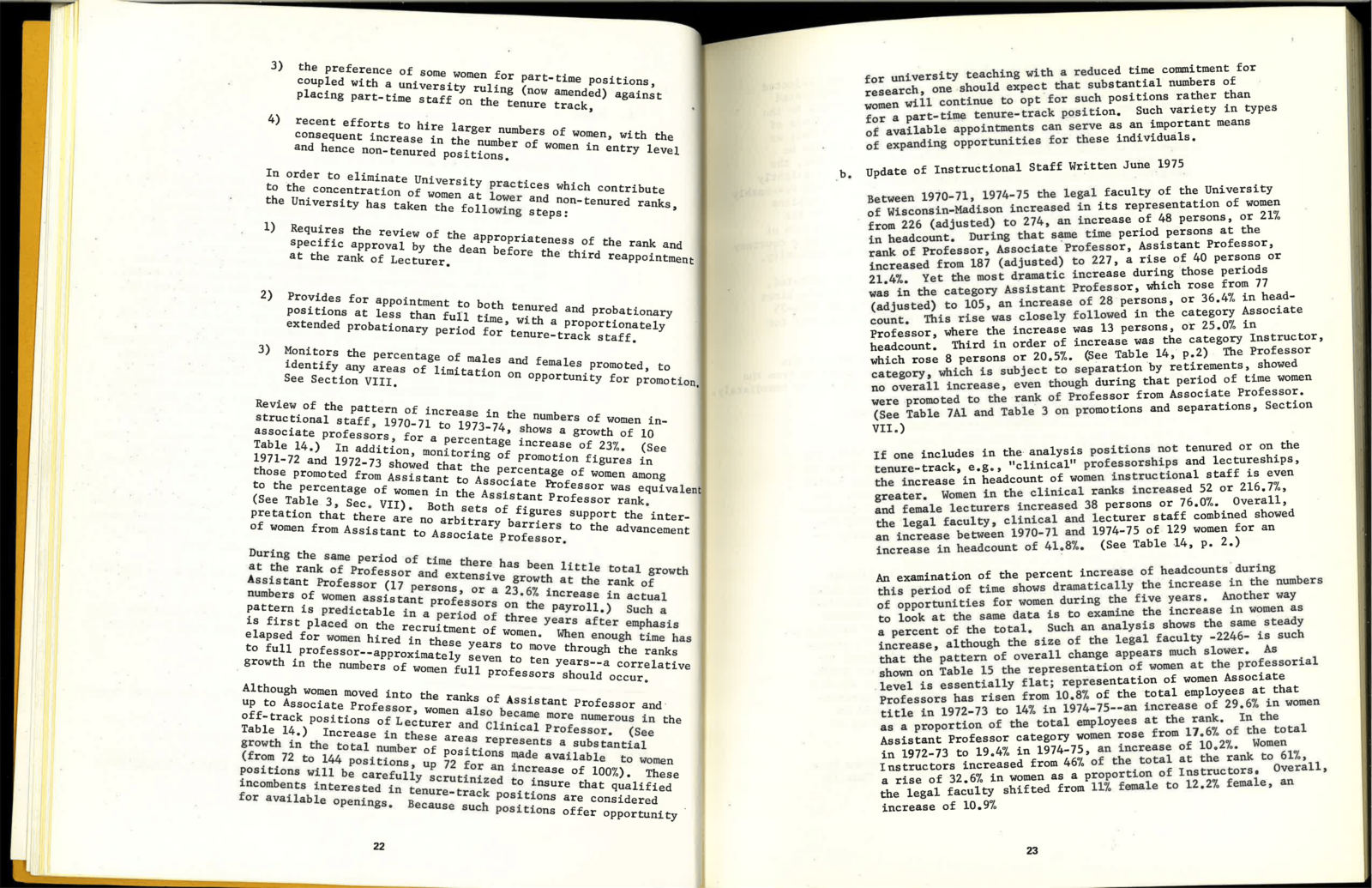
Born out of the Association of Faculty Women’s 75-page Affirmative Action proposal and the 1974 UW System Task Force on Women’s Studies, in May 1975 the L&S Senate approved the Women’s Studies Program, with Jane Piliavin as its first chair and a home at 209 N. Brooks Street, a house filled with feminist art and radical literature that blurred the line between the academy and the community movement it grew out of. The following decades saw the founding of the Women’s Studies Research Center in 1980 (now the Center for Research on Gender and Women), a Ph.D. minor (1984), a standalone major (1989), and the move to the Commerce Building (now Ingraham Hall) in 1993. The program became the Department of Gender and Women’s Studies in 2004, relocated to Sterling Hall in 2010, and has now found its home at the Irving & Dorothy Levy Hall. In 2023, GWS admitted its first PhD cohort. Yet, aside from these spectacular moments, there are personal and political histories as it relates to the department’s founding, functioning and future that often go undocumented.
To trace these histories, we reviewed the existing literature, built an interview guide, and conducted 24 in-person and Zoom interviews, later transcribed, clipped, and organized thematically into the compilations featured here. What follows is an archive of struggle, infiltration, solidarity, and survival, told in the words of the people who lived and continue to live it. You can watch the full interviews here.
Women’s Movement and Program Founding
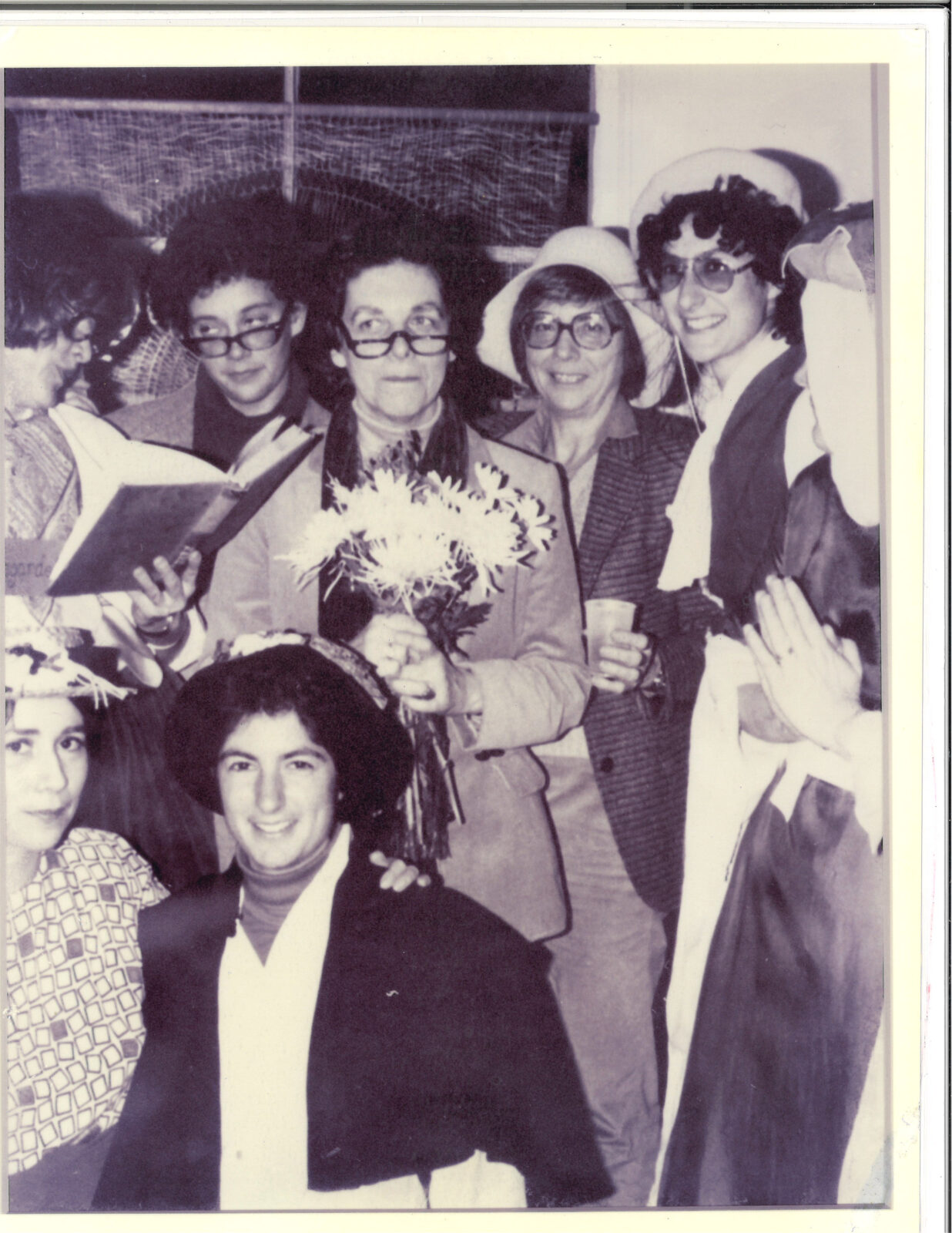
Emeriti GWS faculty talk about the role of the women’s movement in the founding and shaping of GWS as a discipline and GWS as a program and eventually a department.
The Early Years
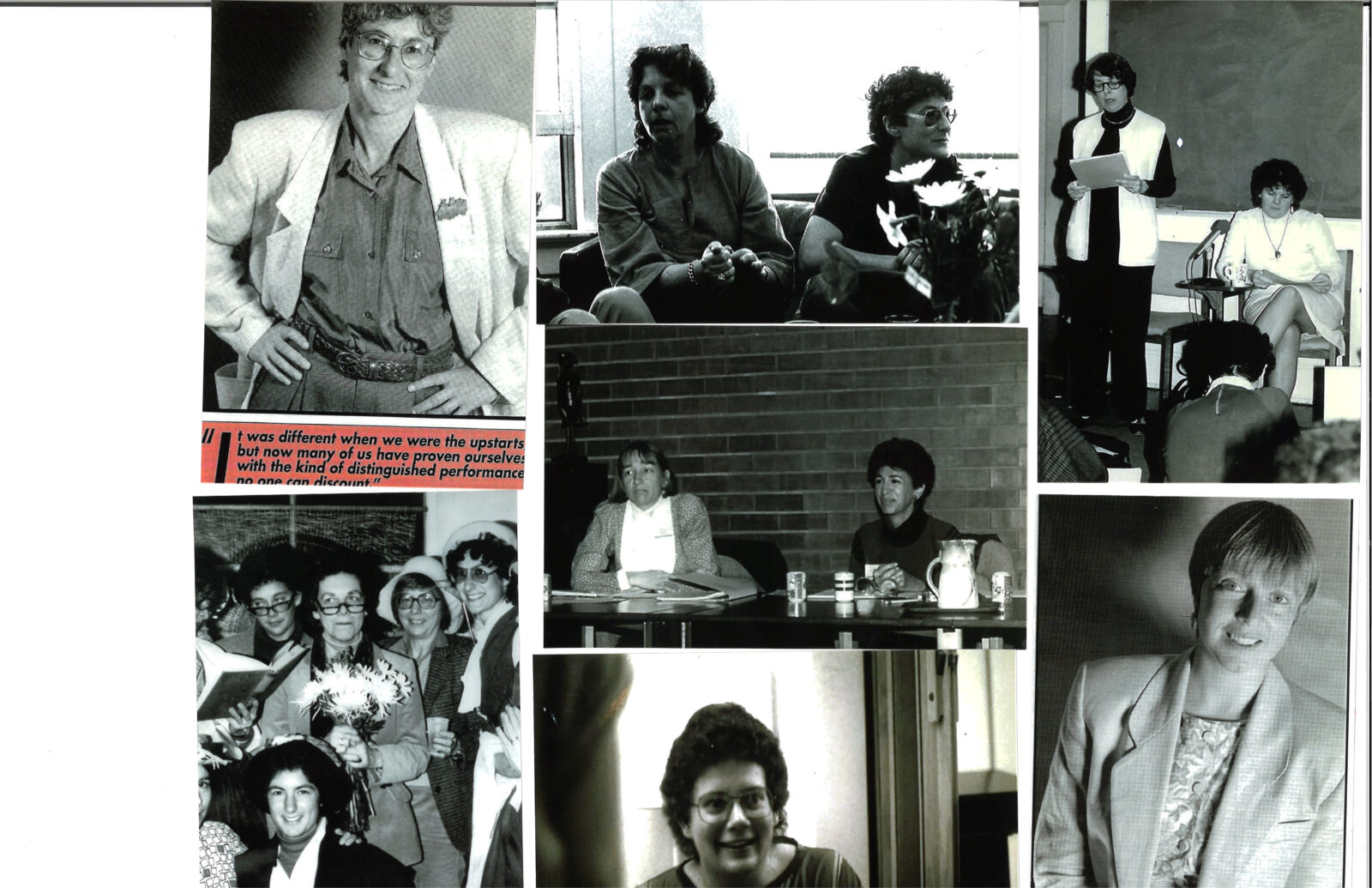
Emeriti faculty and the program’s first Chair trace the beginnings of the then-Women’s Studies Program (WSP), the challenges of not viewing the discipline as serious, the growing pains of figuring out everything from scratch, as well as the program’s original home at 209 N Brooks St.
Institutionalization and Relationship to University
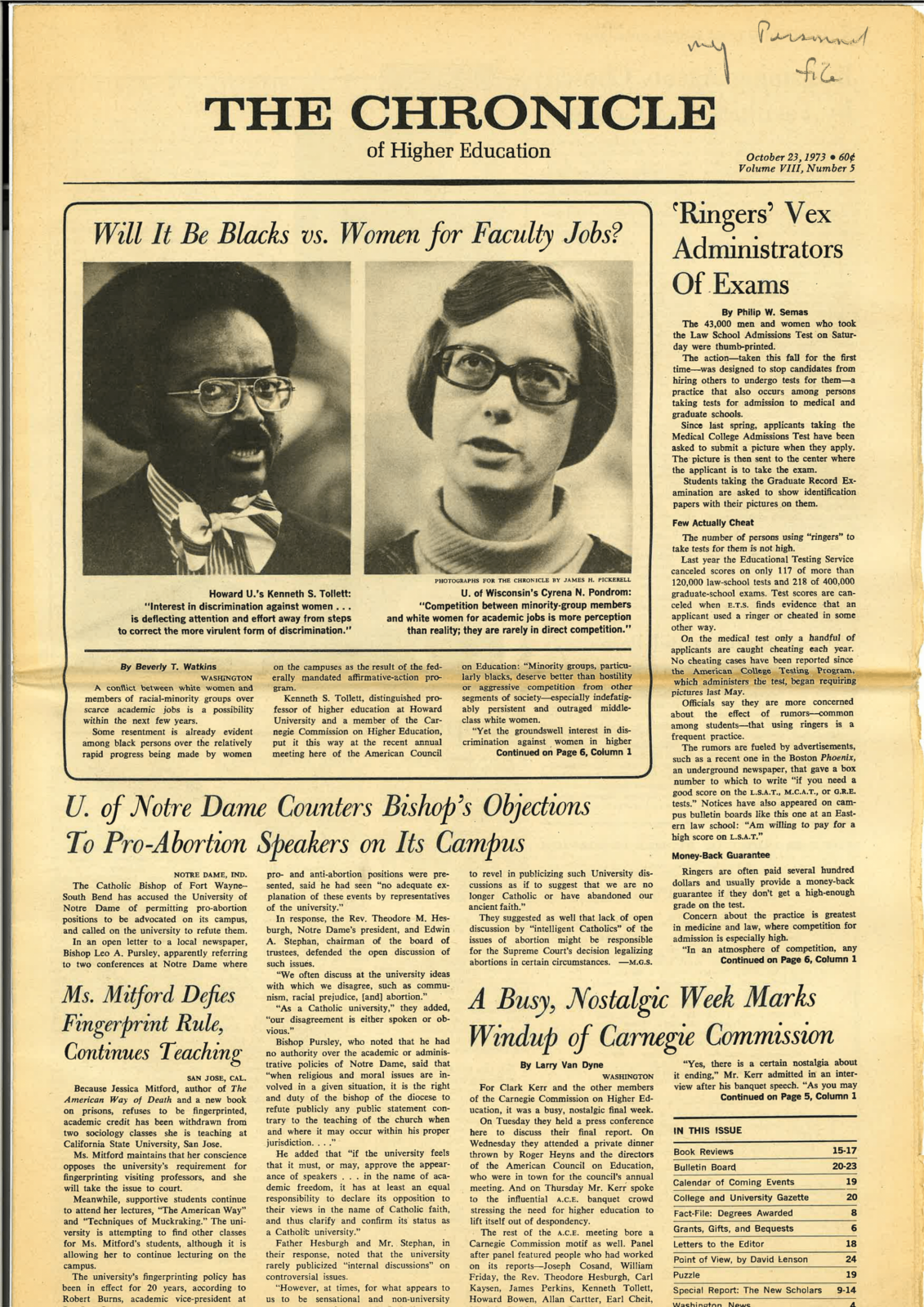
From being treated as “political” and “fluff”, faculty and staff discuss how the GWS program found its way and its place and its legitimacy in the larger university structure as an established terminal-degree awarding department.
Academic Governance
Emeriti and current faculty talk about the program’s founding governance structure, its ties with community and the tensions that brought on as the program institutionalized, in addition to the current governance structure and Professor Houck’s legacy as chair.
Popularity of the Department and Courses
Faculty and staff discuss the popularity of GWS courses among students, what it means to teach GWS in precarious times, the role that GWS courses play in shaping young minds and the reason it is “relevant”.
Community within GWS
Faculty and graduate students discuss why community works within a non-traditional department like GWS, the difficult conversation that are needed to sustain it, and what it means to rely on community to navigate difficult or precarious times.
Diversity in GWS
Current faculty respond to the evolution of the GWS in terms of diversity of faculty, staff, disciplinary viewpoints, the challenges of continuing that work and what remains to be done in a predominantly white institution.
Nature of the Department
What was and is it like to be part of GWS in the university? Faculty discuss the “amorphous” nature of the department, its transformative edge and where they see the department headed.
Feminist Pedagogy within GWS
Emeriti and current faculty talk about why teaching and pedagogy is foundational to the program/department and the discipline as a whole, and why we attract strong teachers and curious students.
Protest Culture and GWS
More “activist-oriented” than many departments, GWS faculty and students discuss navigating sociopolitical issues of the day, its response to the same, the involvement of faculty and students in these issues and the “uncertainty” on how to respond to the world GWS occupies.
Social Justice in the Academy – Past and Present
GWS students and faculty trace the origins of the department in its social justice roots, whether or not the department still has its “radical” edge, and what are the risks, uncertainties and privileges at stake for doing feminist praxis in this day and age.
PhD Program – Promise and Potential
The GWS department at UW–Madison started its PhD program in 2023. Faculty reflects on its history, how it came about, and the excitement it carries with its promise and potential.
Precarious Present and Future of GWS
A somber moment in discussing the role of GWS both today and in the future, GWS faculty and students discuss what it means to study and teach GWS today, the future of the department itself, and the challenging sociopolitical contexts it often finds itself in.
50th Celebration: Forward Together!
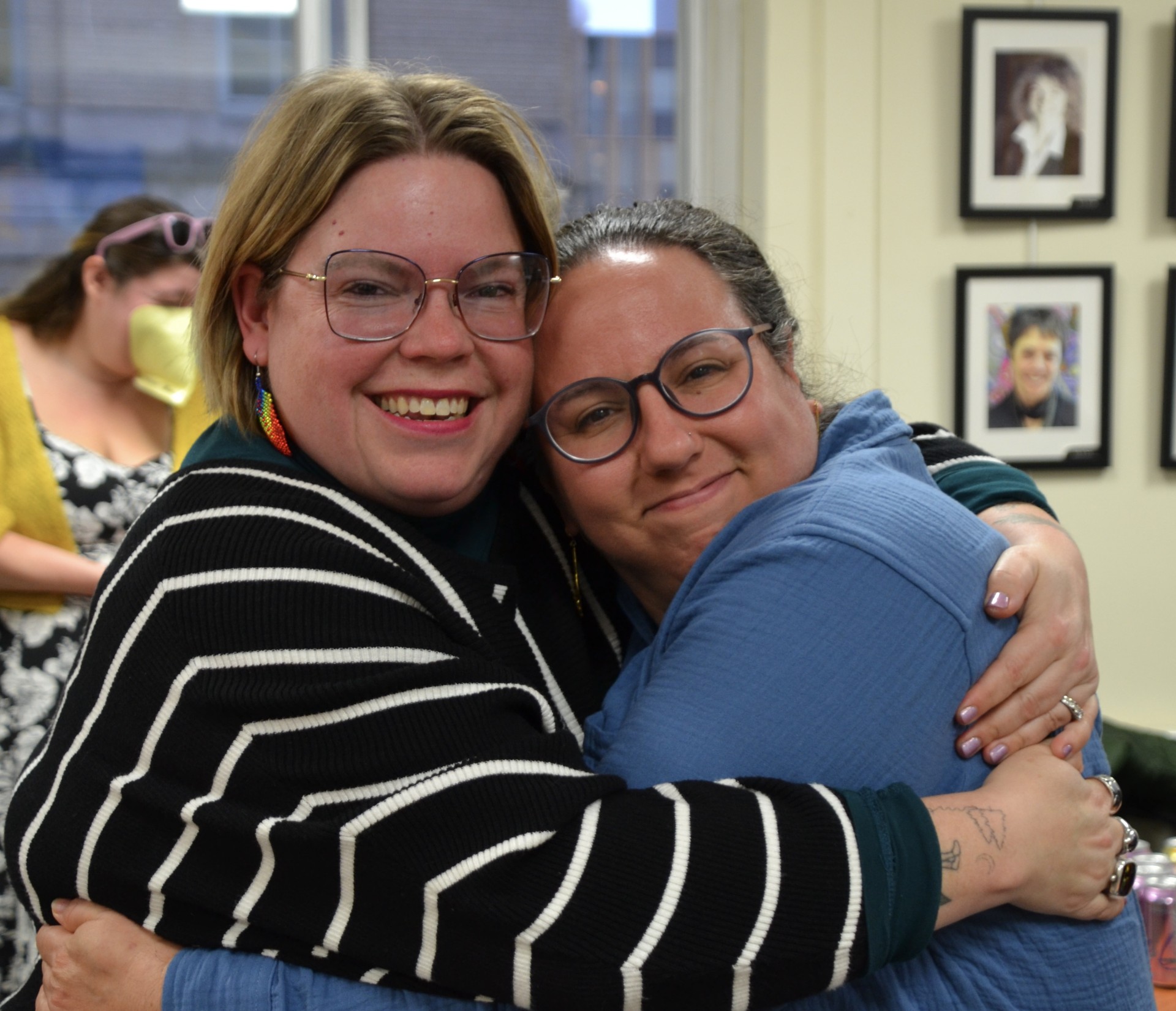
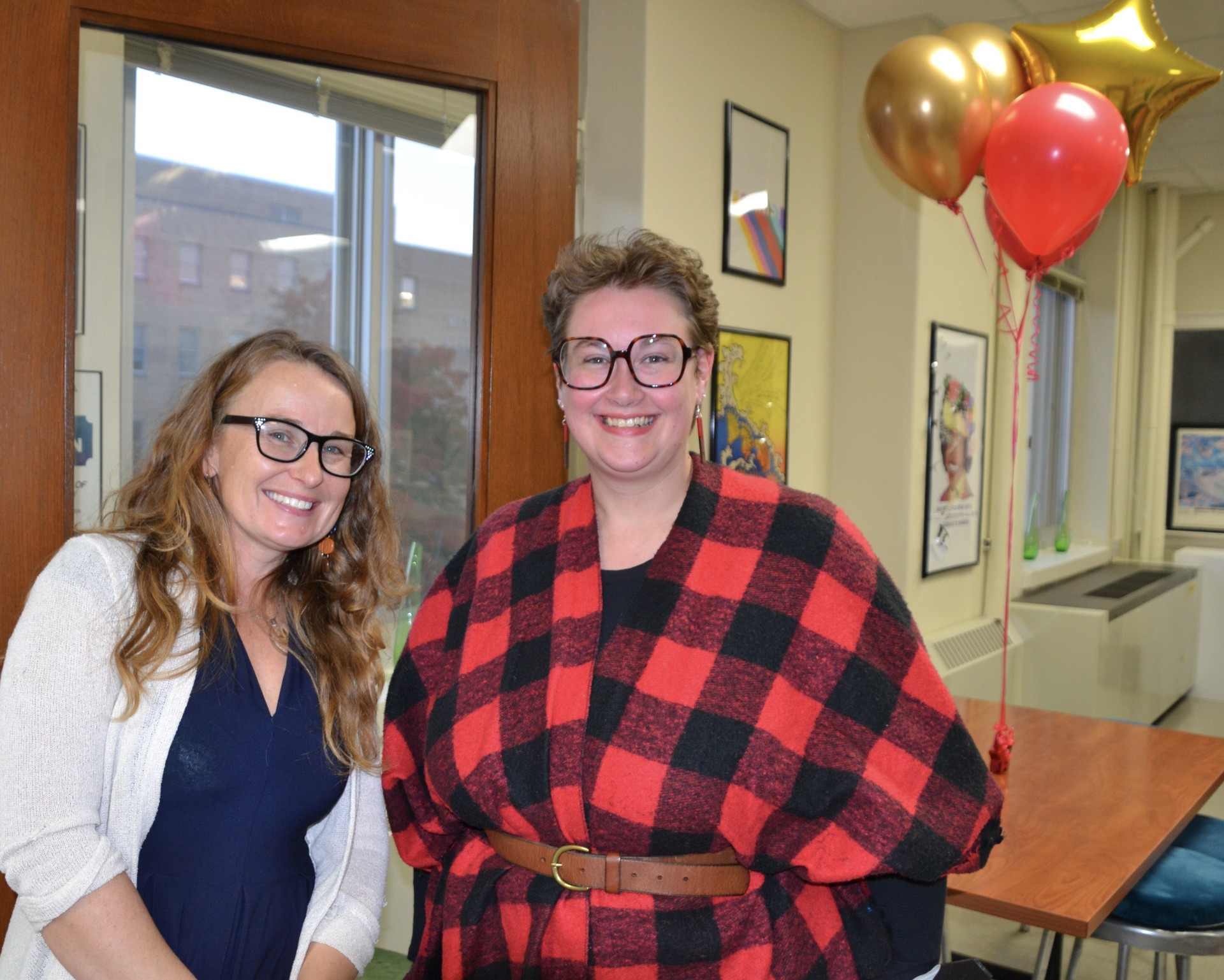
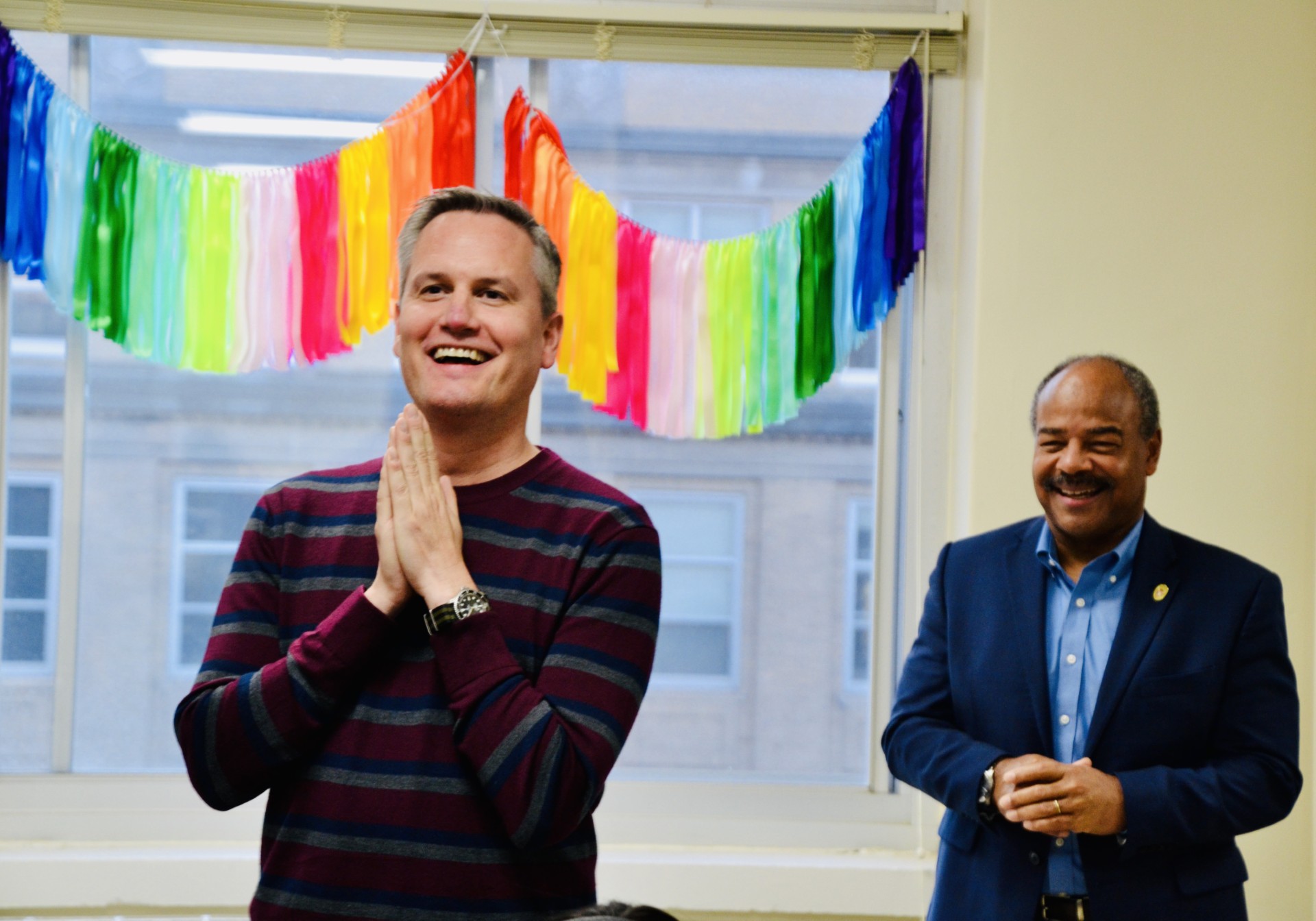
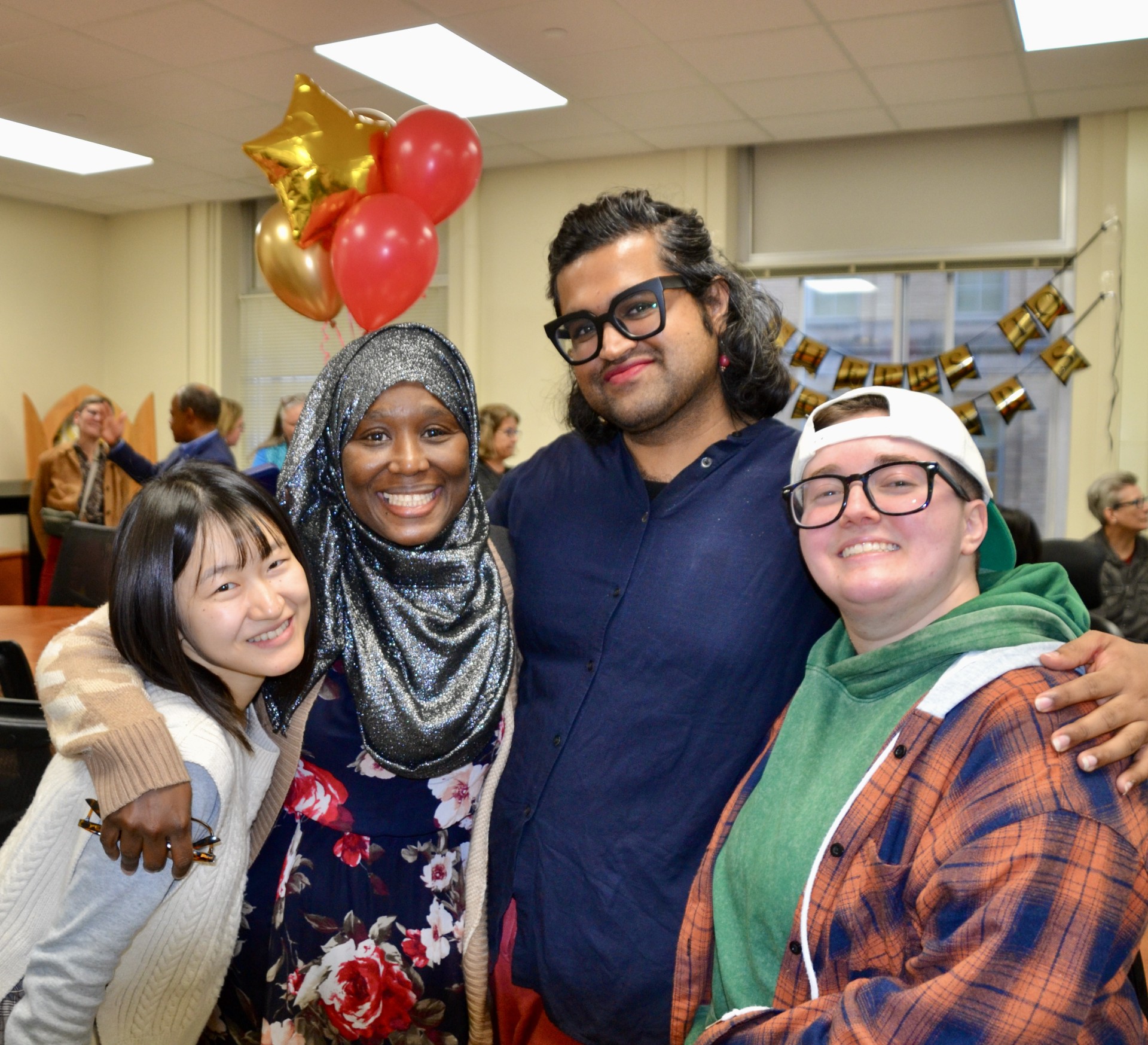
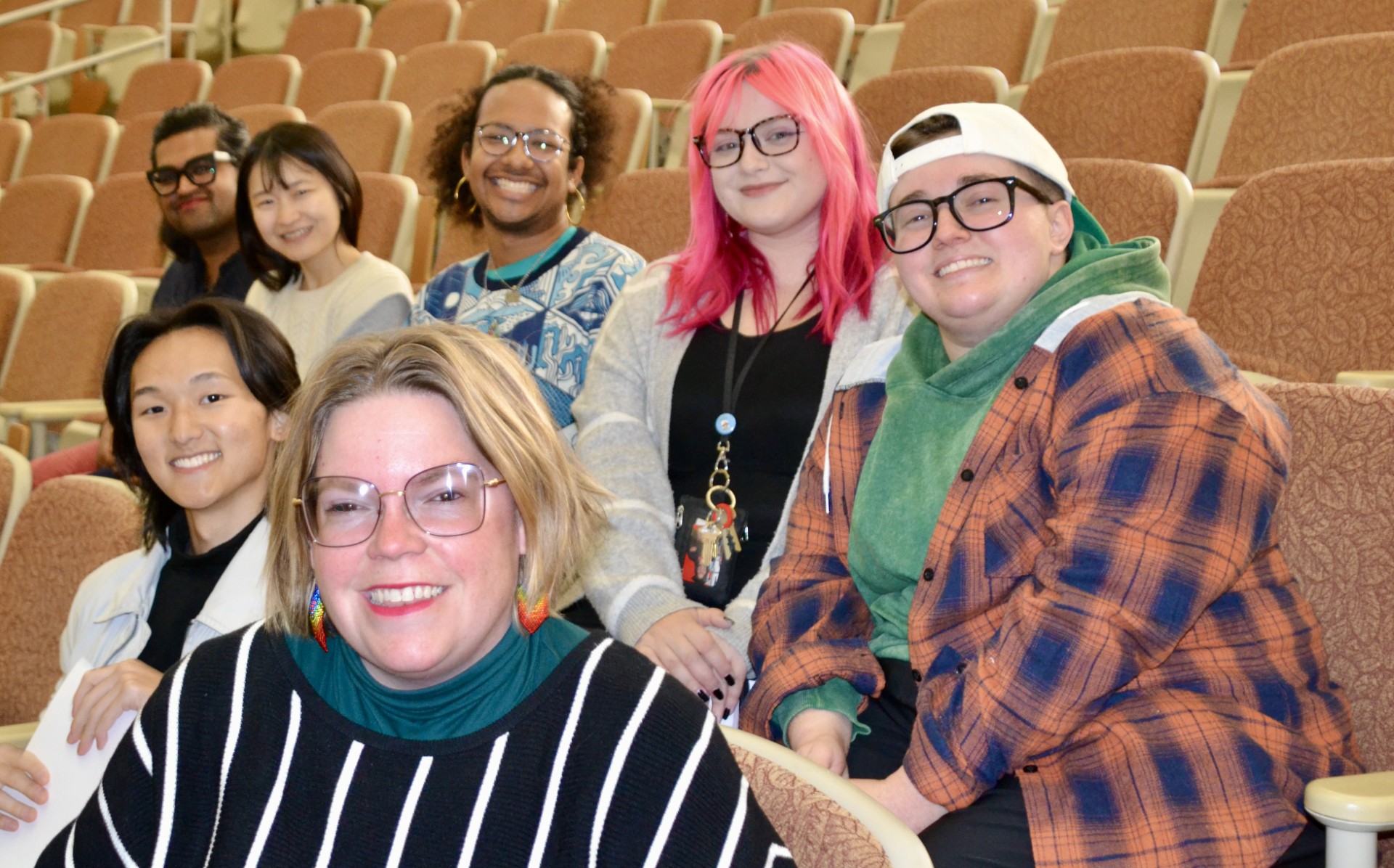
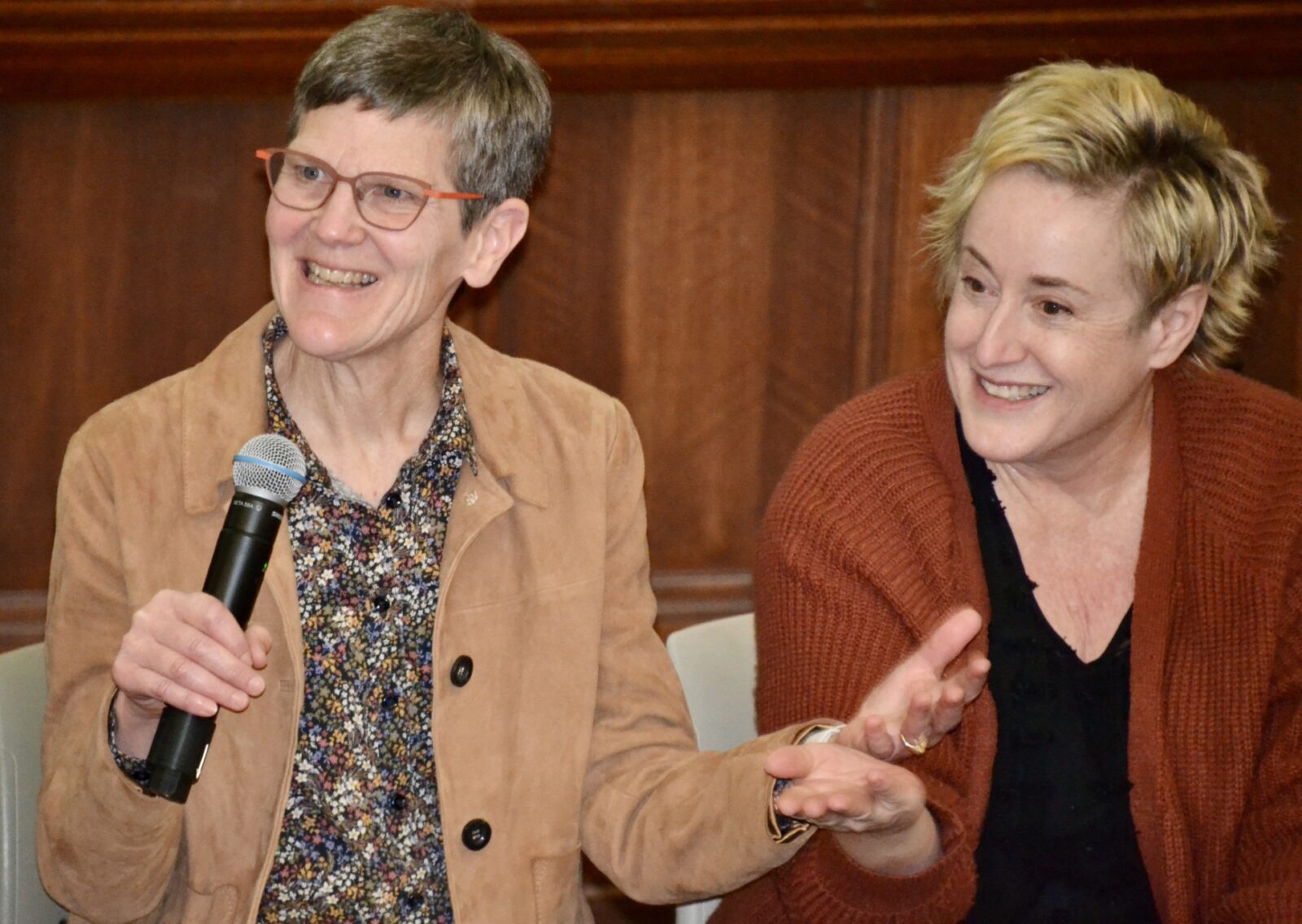
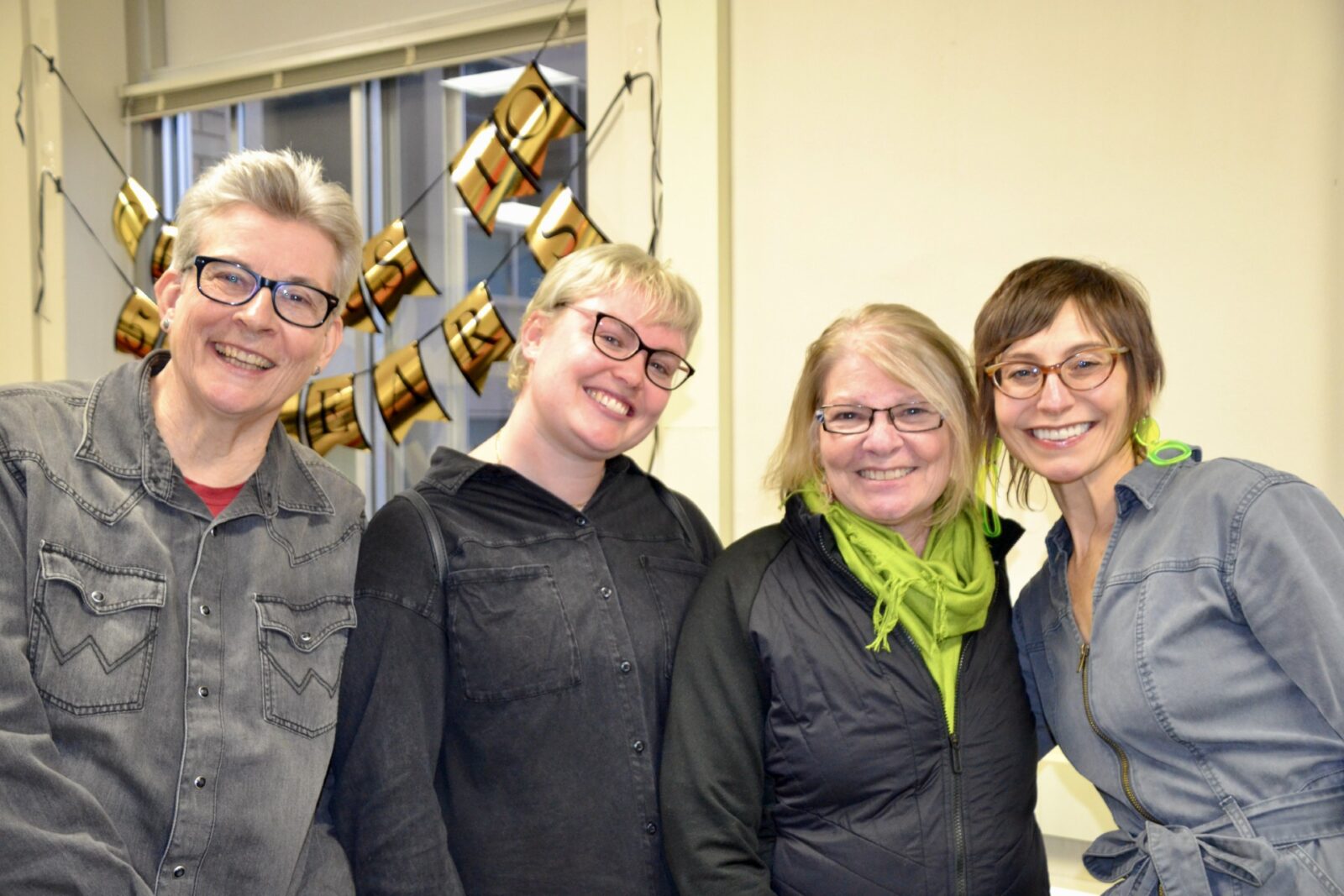
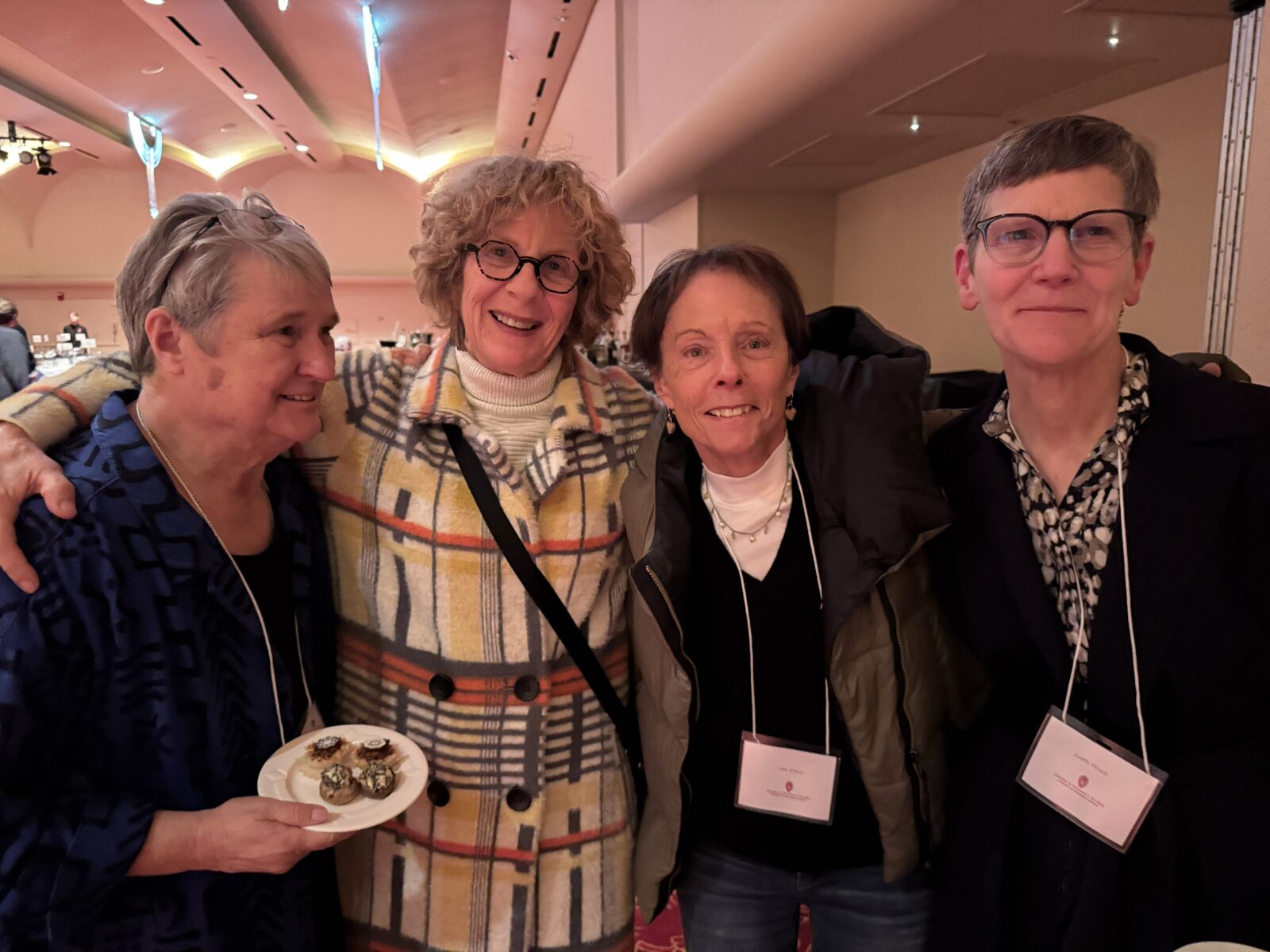
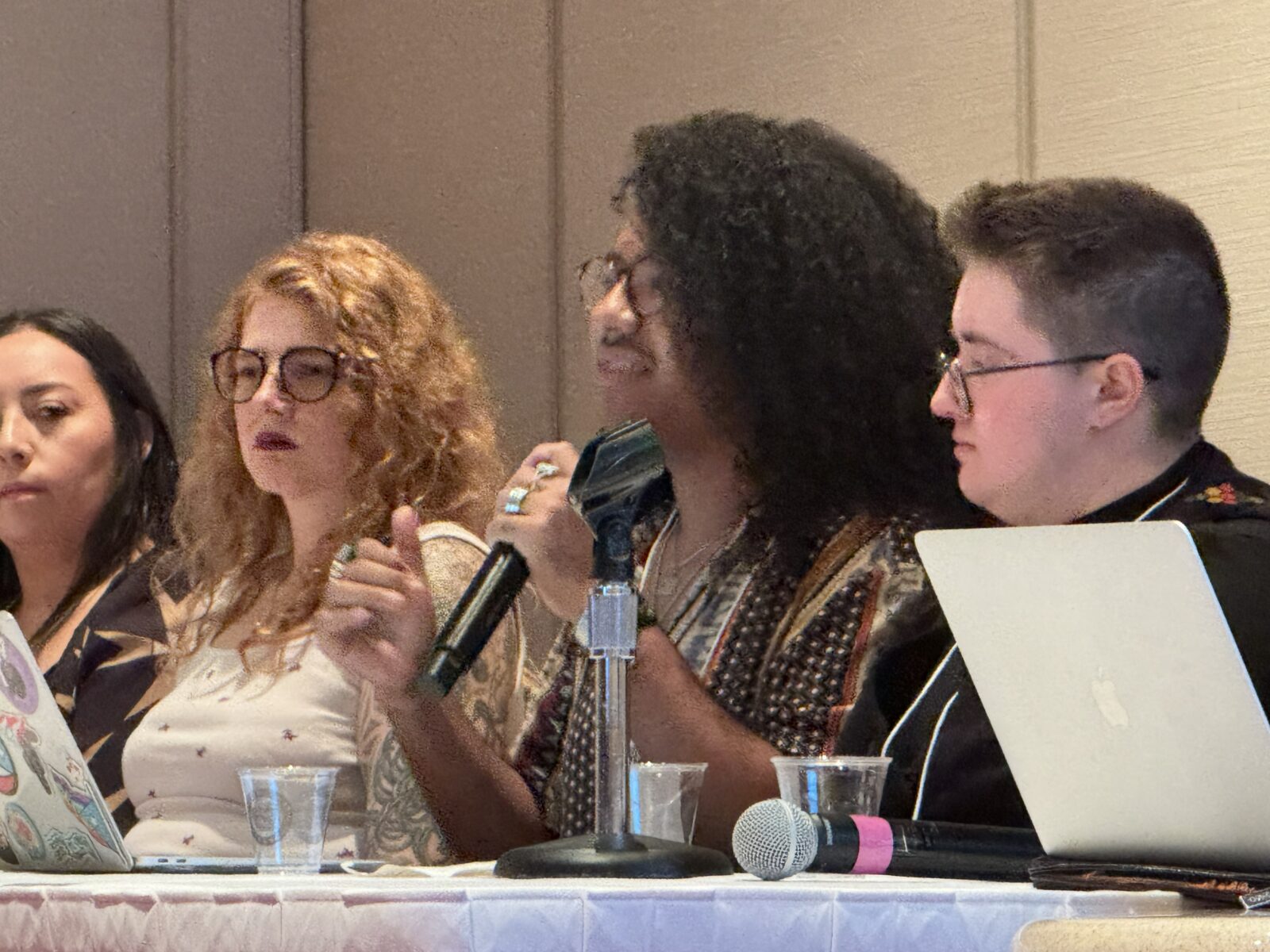
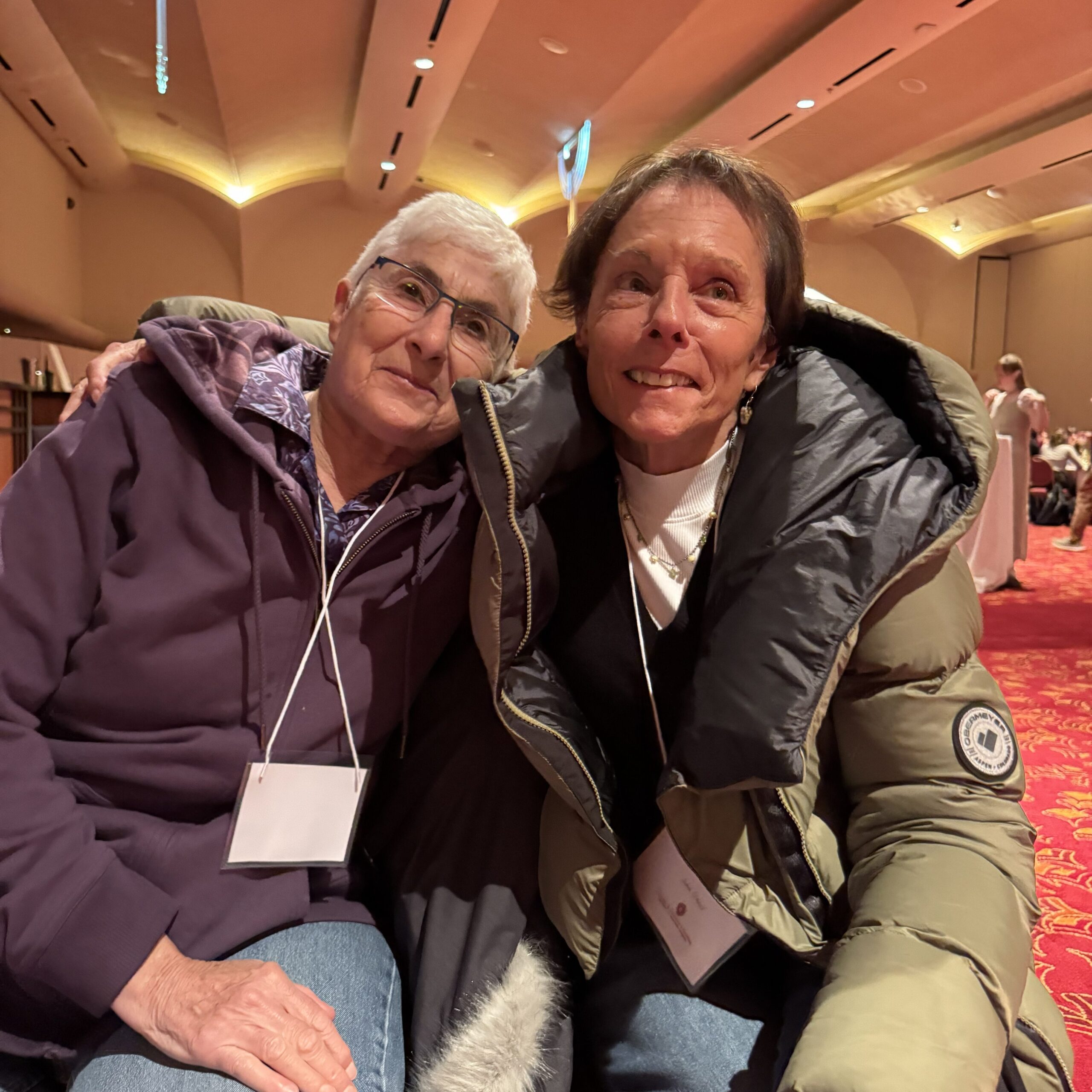
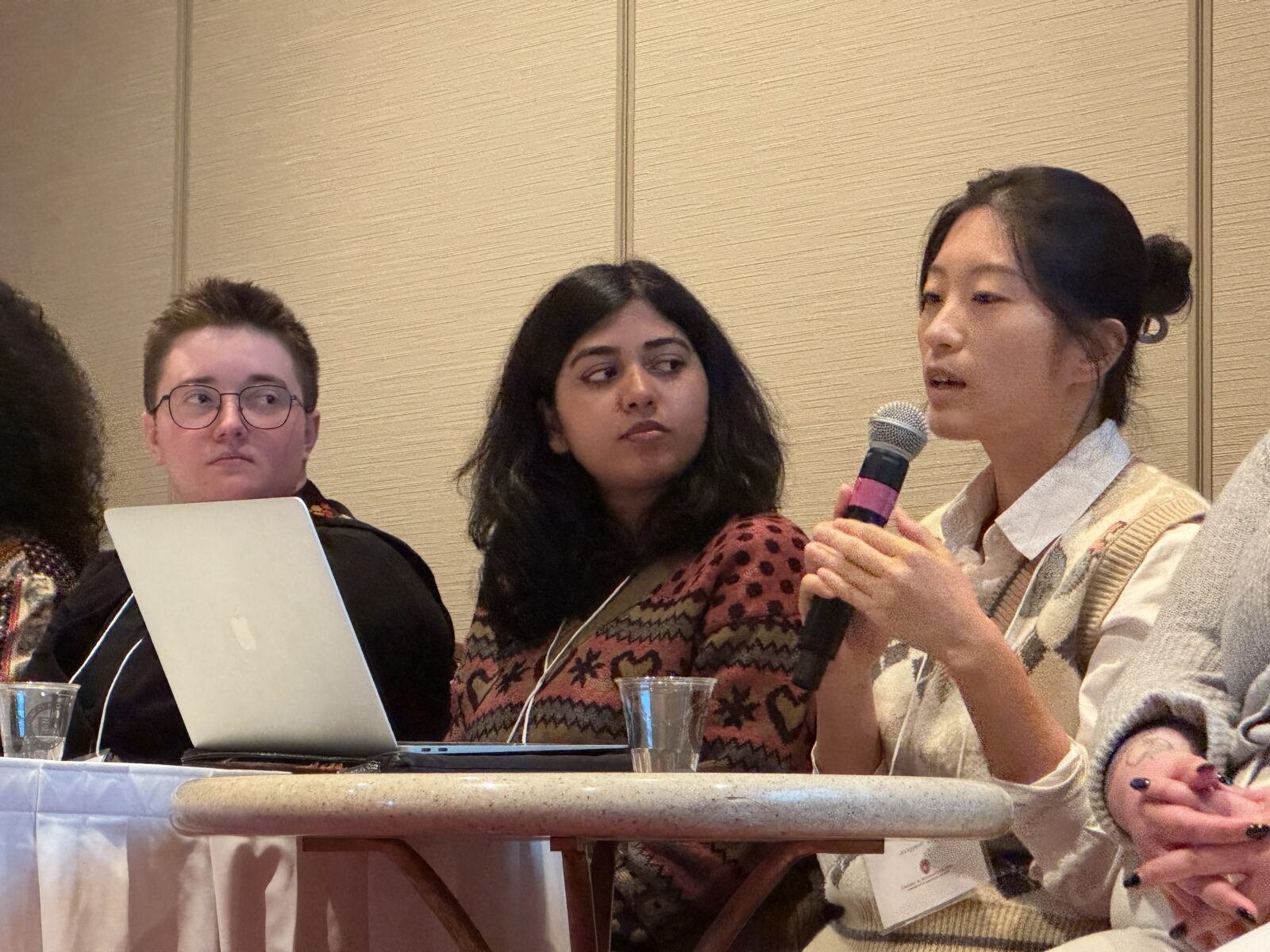
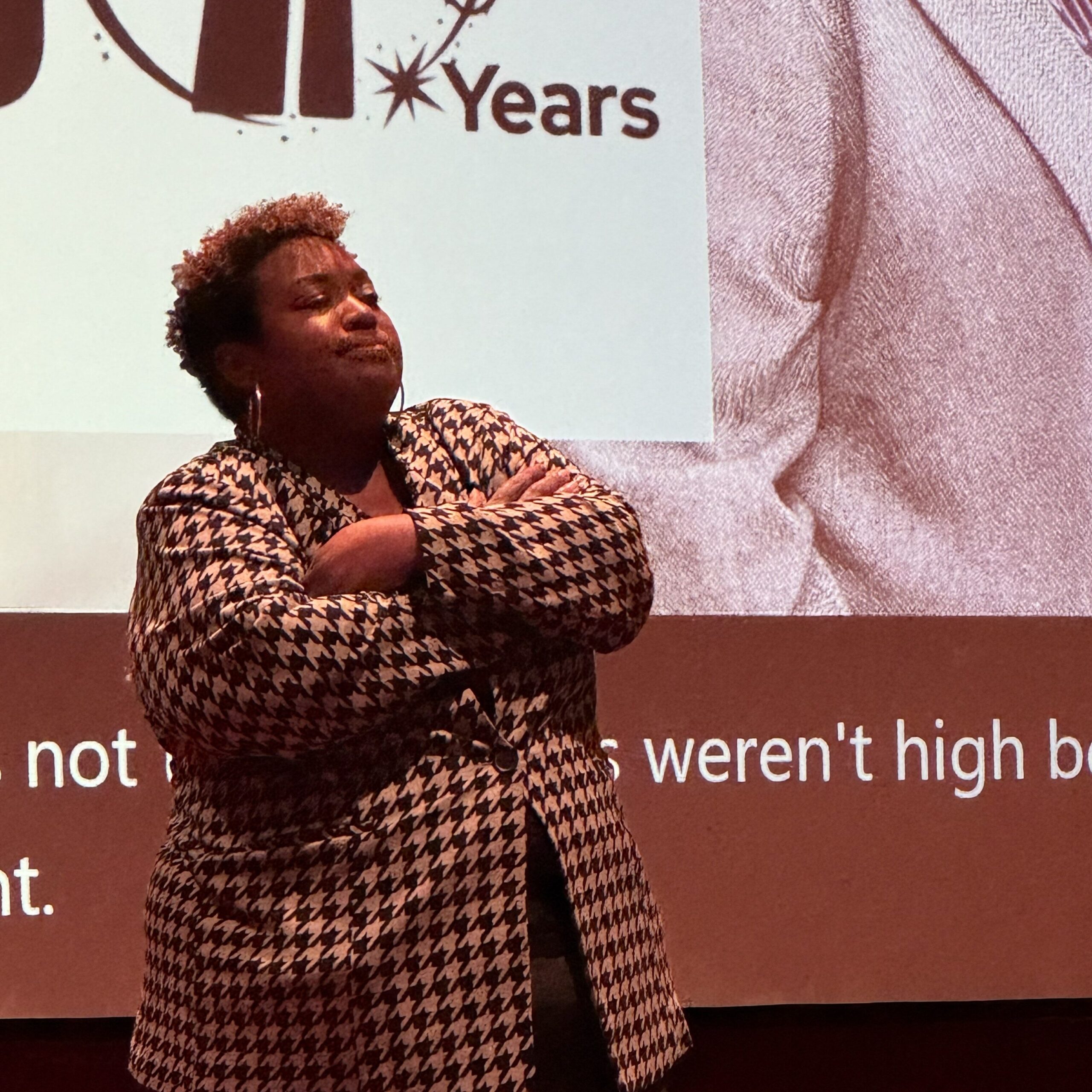
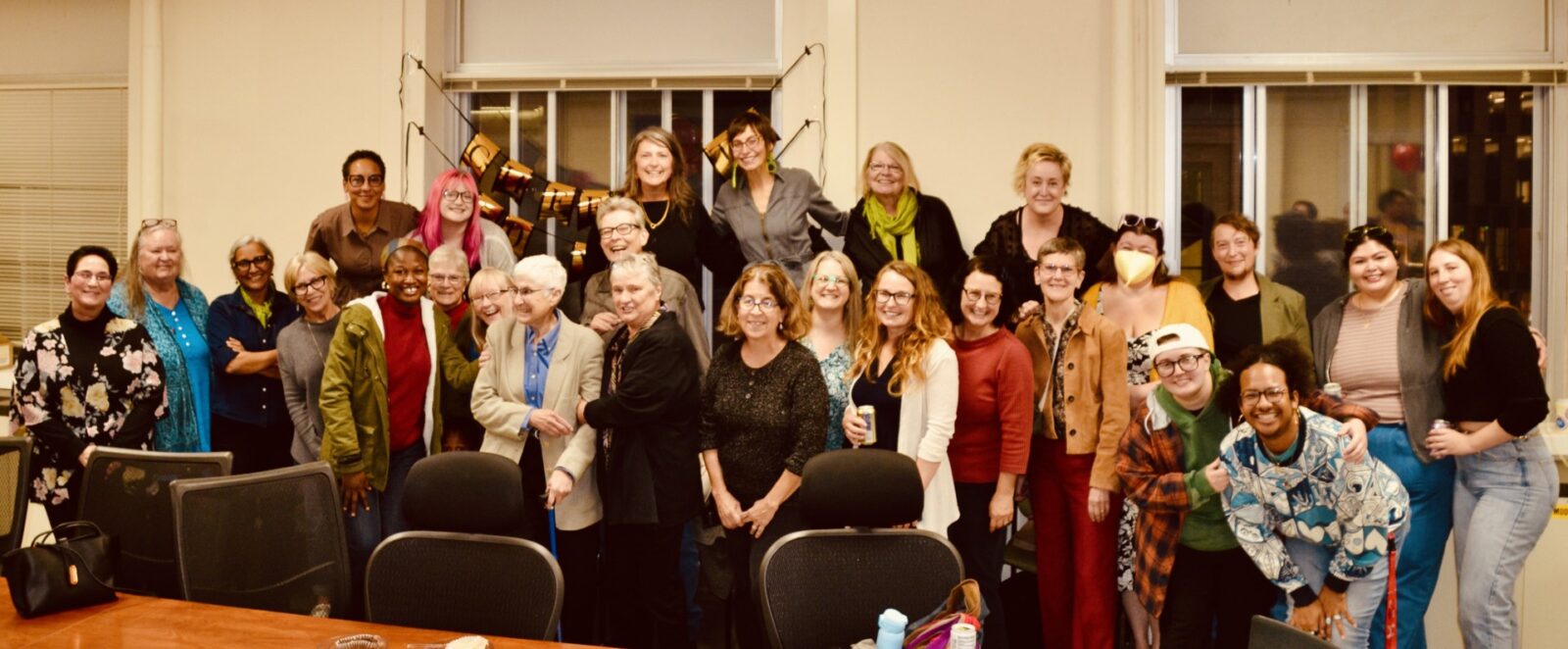
On October 24th and 25th, 2025, we gathered together from within UW–Madison and beyond to celebrate 50 years of forwarding research and education. Our celebration highlighted speakers, students, and panelists. Our keynote speaker, Dr. Brittney Cooper, Professor of Women’s, Gender, and Sexuality Studies and Africana Studies at Rutgers University, spoke about resilience of feminist work and praxis in precarious times. At the iconic Monona Terrace, we praised the groundbreaking work done before us and eagerly looked forward to continuing our work in the field of gender, women, and sexuality.