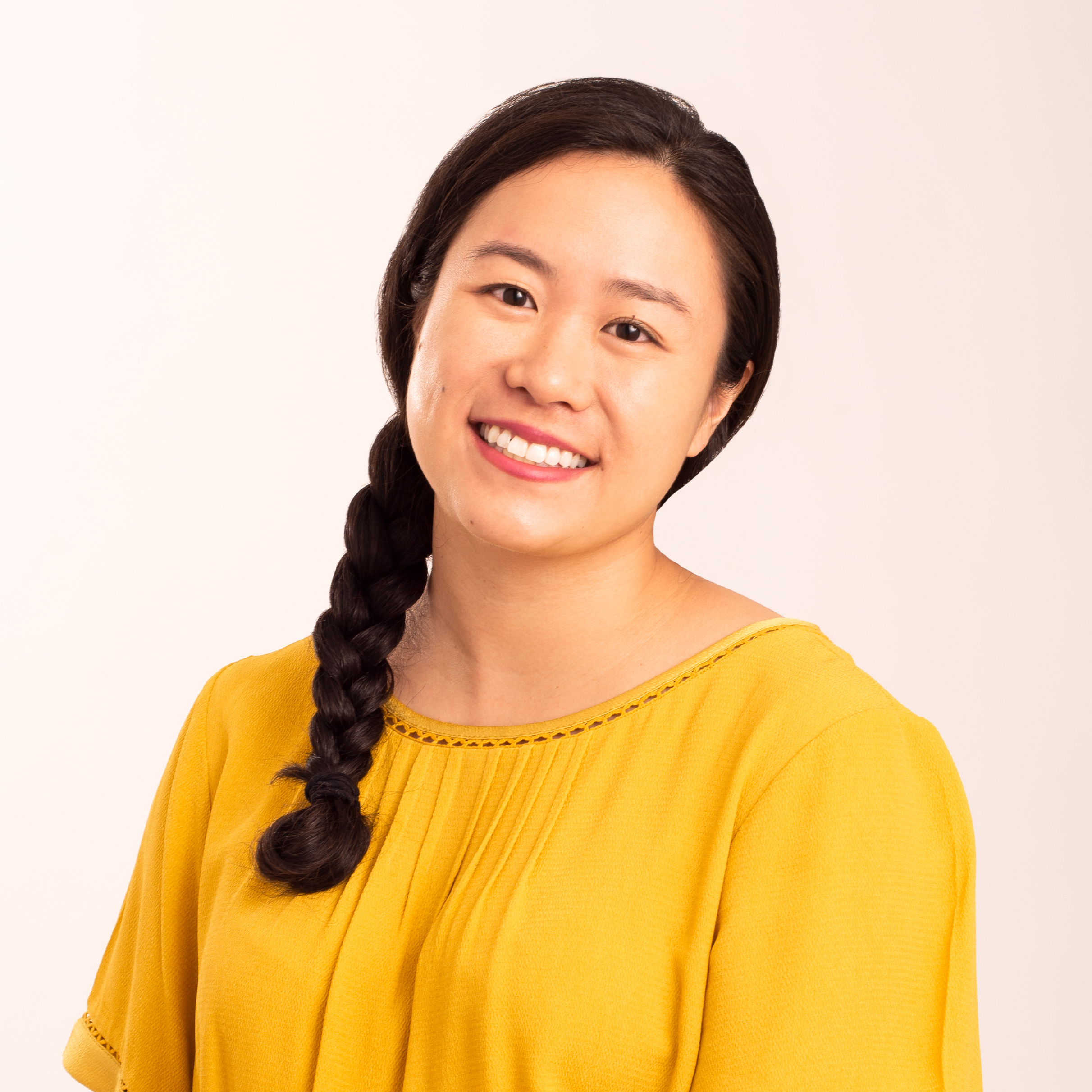
Rachel Kuo
Assistant Professor of Gender and Women’s Studies and Asian American Studies
she/her/hers
5191 Levy Hall
Biography
Rachel Kuo (she/her/hers) writes, teaches, and researches race, feminist politics, social movements, and digital technology. Her book Movement Media: In Pursuit of Solidarity (Oxford University Press, 2025) brings together archival research and ethnographic fieldwork to demonstrate how technologies enhance and foreclose possibilities for political organization across uneven racial and class difference. She works closely with community partners in developing her research, and her longer-term research goals and questions center and engage emergent questions and practices from grassroots social movements. Her research has received support from the National Endowment for the Humanities and Social Science Research Council. She is a founding member and current affiliate of the Center for Critical Race and Digital Studies and also a co-founder of the Asian American Feminist Collective. She is co-editor of the anthology We Are Each Other’s Liberation: Black and Asian Feminist Solidarities (Haymarket Books, 2025). Her writing has also been published in Media, Culture, and Society, Political Communication, Social Media and Society, New Media and Society, Journal of Communication, and Frontiers: A Journal of Women Studies. She has also co-edited the World Without Cages and Black and Asian Feminist Solidarities projects with the Asian American Writer’s Workshop. She has a PhD and MA in Media, Culture, and Communication from New York University, and BA in Journalism from the University of Missouri.

Movement Media: In Pursuit of Solidarity
Kuo, R. Movement Media: In Pursuit of Solidarity. Oxford University Press, 2025.
From newsletters and zines to hashtags and social media posts, social movements frequently generate and circulate media to define political goals, build solidarity, and articulate theories of change. These acts of media-making play a crucial role in developing relationships rooted in collective political visions across racial differences. Yet, in past and present movements, building solidarity across uneven race, class, and gender differences has often been a tenuous pursuit. How do social movements use media to create and sustain solidarity? In Movement Media, Rachel Kuo assesses the possibilities and limitations of crafting solidarities across racialized differences through media-making processes and communications practices. Drawing on interviews, archival research, and ethnographic fieldwork, Kuo revisits key movements–Third World feminism, environmental justice, migrant justice, and police and prison abolition–to assess the mundane and less visible forms of movement building that help various groups navigate the politics of difference in theory and in practice. Kuo situates these movements alongside shifts in technological developments and the communication landscape, making the case that building and sustaining solidarity requires time and work to develop shared political analysis and practices. As contemporary movements organize and struggle against the challenges of NGO-ization, neoliberal identity politics, private technologies, and liberal carceral reform–all of which seek to subsume and manage the efficacy of political organizing–Movement Media tells the important story of how communities build and sustain solidarity through media.

We Are Each Other’s Liberation: Black and Asian Feminist Solidarities
Kuo (Co-editor), R. We Are Each Other’S Liberation: Black and Asian Feminist Solidarities. Haymarket Books, 2025.
A collaborative project between Black Women Radicals and the Asian American Feminist Collective, We Are Each Other’s Liberation envisions a cross-racial and internationalist politics that explicitly addresses solidarity between Black and Asian feminists. Bringing together organizers, artists, journalists, poets, novelists, and more, this collection introduces readers to new ways of understanding and reflecting on race and feminism. Drawing out lessons from the revolutionary work of movement forebearers—including the Combahee River Collective, Claudia Jones, Grace Lee Boggs, Yuri Kochiyama, and Third World Women’s Alliance as well as struggles today—We Are Each Other’s Liberation offers an urgent call for the just future we might build together.